Okinawa Prefecture | The Former Ryūkyū Kingdom
Okinawa Prefecture — The Former Ryūkyū Kingdom —
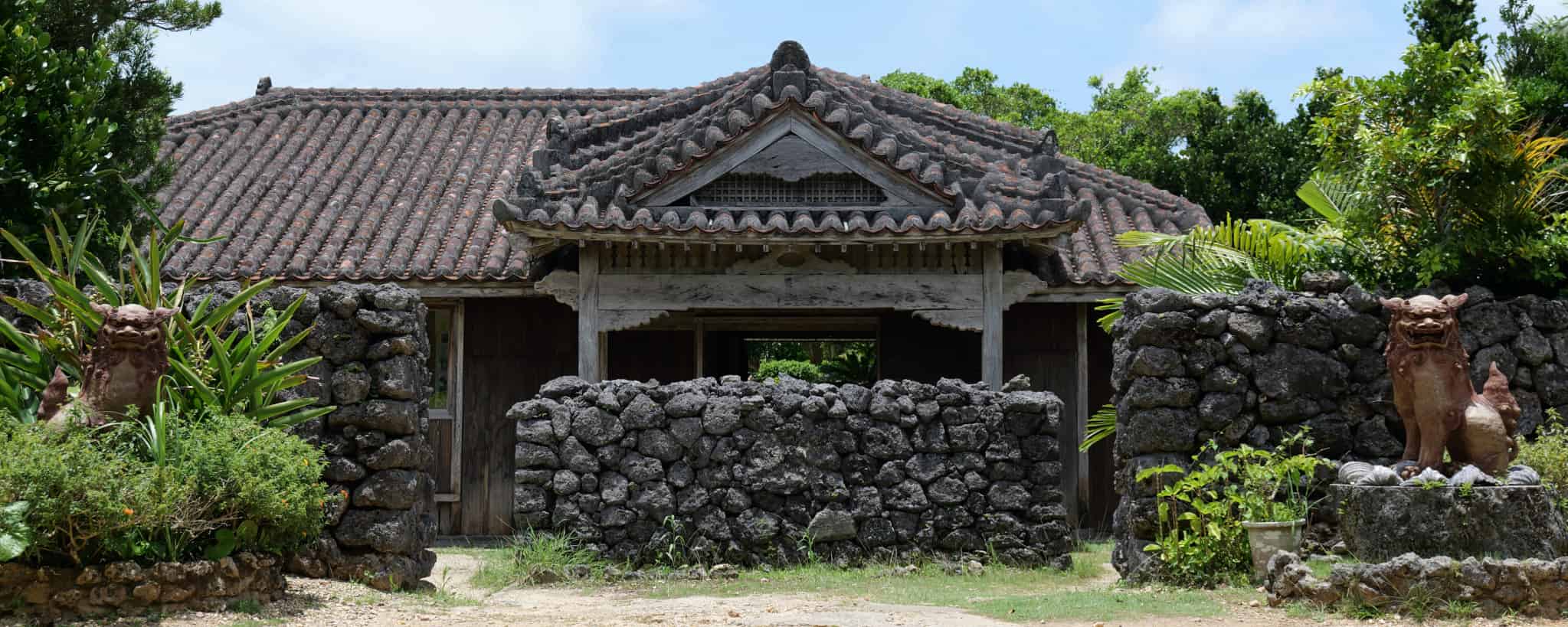
Okinawa Prefecture, once known as 琉球国 (ryūkyū-no-kuni), is Japan’s southernmost chain of islands. This prefecture consists of around 160 islands, each with its own unique culture and atmosphere. Okinawa Prefecture has a distinct identity: some aspects of it feel very Japanese, while others are quite different. This is partly because Okinawa Prefecture wasn’t originally part of Japan, but an independent kingdom, known as 琉球王国 (ryūkyū-ōkoku), or the Ryūkyū Kingdom. Due to its close connections with both Japan and China, it developed a unique culture influenced by Japanese traditions from the Edo period (1603–1868) as well as Chinese culture. In 1879, Okinawa Prefecture officially became part of Japan. However, during WWII in 1945, it was occupied by American forces and came under American control. In 1972, the prefecture was returned to Japan.
The food in Okinawa Prefecture is so delicious that many visitors might crave it again and again. Okinawan cuisine is highly distinctive, featuring dishes rarely found elsewhere in Japan. Because Okinawa Prefecture was once under American control, many local dishes blend Japanese and American influences. One famous example is タコライス (taco-raisu), literally meaning “taco rice”. This dish combines Mexican-style tacos, popular in America, with Japanese rice. Ingredients such as lettuce, tomato, meat, and cheese are placed over rice, then mixed before eating. Modern Okinawan cuisine also frequently uses Spam, a processed meat that became a staple in Okinawa Prefecture during the American occupation. Spam appears in traditional チャンプルー (chanpuru—a type of stir-fry), inside rice balls, and even on top of 寿司 (sushi—fish and shellfish on top of vinegared rice). It has become such a common ingredient that countless Okinawan dishes now incorporate it.
Japan is traditionally believed to have countless gods and spirits. The most revered is 天照大御神 (amaterasu-ōmikami), the sun goddess. Although not exactly a god, Okinawa Prefecture also has a figure that's revered similarly: the シーサー (shīsā). More specifically, the shīsā originates from the Chinese guardian lion known as a 獅子 (shishi). Shishi are commonly placed at the entrances of Shintō shrines and Buddhist temples, while shīsā can be found almost everywhere throughout Okinawa Prefecture. They’re often placed in front of homes and shops, much like 狸 (tanuki—“raccoon dogs”, symbols of luck and prosperity). Many can also be seen on rooftops, similar to 鯱 (shachihoko—creatures with the head of a dragon, lion, or tiger and the body of a carp, believed to prevent fires). Souvenir shops sell a wide variety of shīsā, ranging from tiny decorative figures to large statues suitable for (places such as) traditional Japanese gardens. Their presence throughout the prefecture clearly shows how deeply rooted they are in local culture and daily life.
Japan has many traditional musical instruments, and Okinawa Prefecture has one that's especially well known: the 三線 (sanshin). The sanshin resembles the three-stringed Japanese 三味線 (shamisen), but it's slightly smaller and uses thicker strings. Unlike the shamisen, which is played with a large pick—known as a 撥 (bachi)— the sanshin is played with the fingers. This playing style produces a warm and distinctive sound. In recent years, several popular songs have featured the sanshin. One famous example is “海の声” (umi-no-koe) by actor and singer Kenta Kiritani. Although the sanshin originated in Okinawa Prefecture, it’s now recognized throughout Japan. In Okinawa Prefecture, tourists can take a class where they try playing the instrument themselves. Learning to play the sanshin can be both enjoyable and unforgettable.
One of the world’s most famous martial arts also originated in Okinawa Prefecture: 空手 (karate). Literally meaning “empty hand”, karate is a martial art practiced without weapons. It's believed to have developed around the 15th century under the influence of Chinese martial arts, which were introduced to the prefecture. Later, during the late 19th century, a distinct Okinawan fighting style called 手 (tē) became established and helped shape modern karate. Because of its Chinese origins, karate was originally written as 唐手 (karate), with 唐 (kara) referring to China. Karate gained worldwide popularity after World War II, when American servicemen stationed in Okinawa Prefecture became interested in the martial art. After returning home, many helped spread karate throughout the United States and other countries. Today, karate is practiced around the world, and countless schools welcome students from children to adults.
Because Okinawa Prefecture is located far from mainland Japan, it’s not the easiest destination to reach. Public transportation is also limited in many areas, making sightseeing without a car somewhat difficult. However, this prefecture offers a unique culture and cuisine unlike anywhere else in Japan. Few places in the world possess such a distinctive blend of history, tradition, and atmosphere. Although tourism has increased significantly in Japan in recent years, Okinawa Prefecture is still not usually considered part of Japan’s traditional “golden route” for sightseeing. When traveling in the “Land of the Rising Sun” (or Japan), be sure to visit these southern islands and experience their remarkable culture.