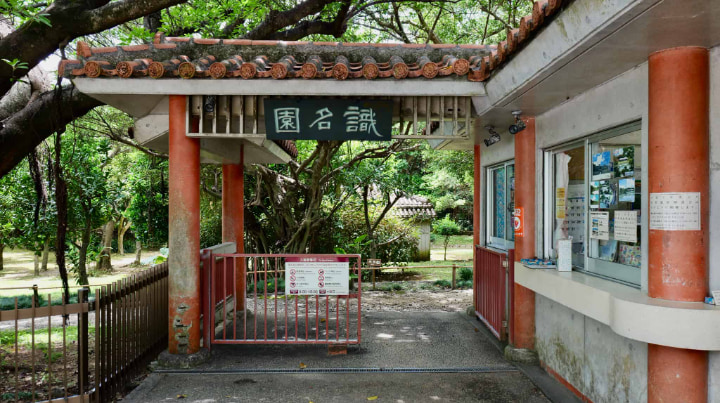
Shikinaen Garden
Author: Richard Perkins
Photos/Videos Taken: 2025/07/13
Address: 421-7 Maji, Naha,
Okinawa 902-0072
Admission Fee: Adult ¥400・(group) ¥200 |
Middle School Student or Younger ¥200・(group) ¥160
There are many Japanese-style gardens throughout Japan. When it comes to prefectures known for their abundance of these gardens, Kyoto Prefecture—where traditional Japanese culture still thrives—is probably the first place that comes to mind for many people. However, Kyoto Prefecture is not the only prefecture with beautiful Japanese gardens. It may come as a surprise, but even in the tropical region of Okinawa Prefecture, there are traditional gardens. One of the most famous among them is 識名園 (shikinaen).
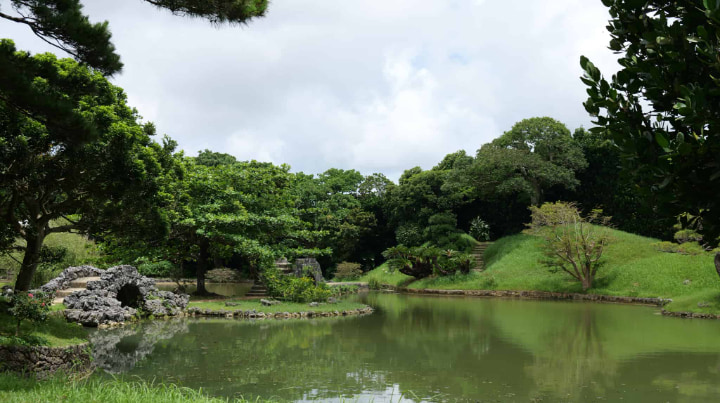
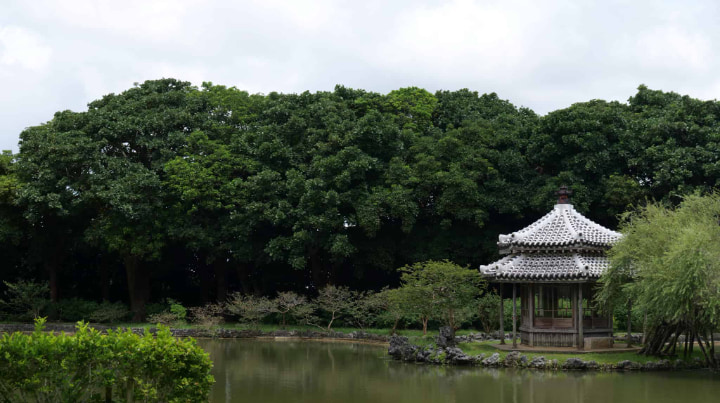
Shikinaen Garden was completed in 1799. It’s said to have been built during the reign of King Shō On, the 15th ruler of the Second Shō era, although this isn’t certain. The garden was constructed as a retreat for the Ryūkyū royal family. It served as a place where members of the royal family could rest and relax, while also functioning as a venue for entertaining the 冊封使 (sappōshi)—official messengers sent by the Chinese emperor. Covering approximately 41,997 square meters, Shikinaen Garden was designated a World Heritage Site in 2000 as part of the “Gusuku Sites and Related Properties of the Kingdom of Ryūkyū”. The garden was designed in the 池泉回遊 (chisenkaiyū) style, a landscape style featuring a path that circles a central pond. One of the distinctive features of the garden is that visitors can stroll around the central pond while appreciating the scenery from different perspectives. The pond is known as 心字池 (shinjiike). As visitors walk along the path surrounding it, they can enjoy views of traditional Okinawan-style buildings that blend beautifully with the Japanese-style landscape.
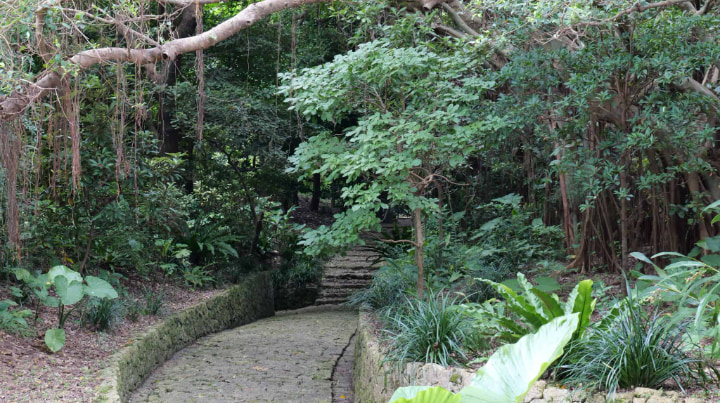
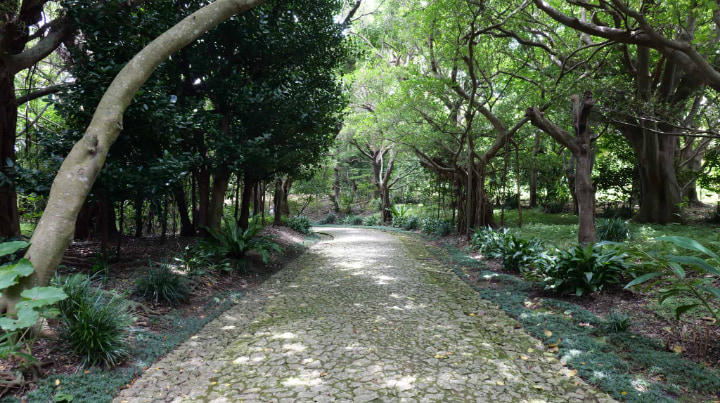
Upon first stepping into this garden, visitors may feel as though they've entered a forest. Large trees tower along both sides of the walking path, helping to block the intense rays of the Okinawan sun. One will feel as if they’ve stepped into another world. The atmosphere here feels somewhat mystical. At the end of the forest-like atmosphere, visitors are greeted by a calm and tranquil setting more reminiscent of a traditional Japanese garden. While many elements of Shikinaen Garden can also be found in other Japanese gardens, the dramatic transition from dense forest to open garden scenery is unique. This contrast is undoubtedly one of the elements that make Shikinaen Garden such an appealing place to visit.
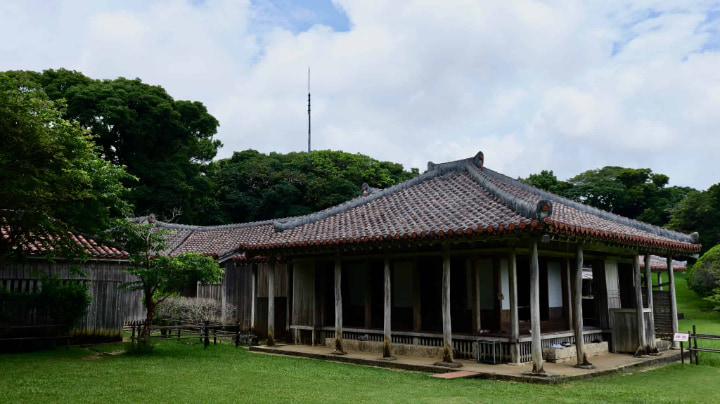
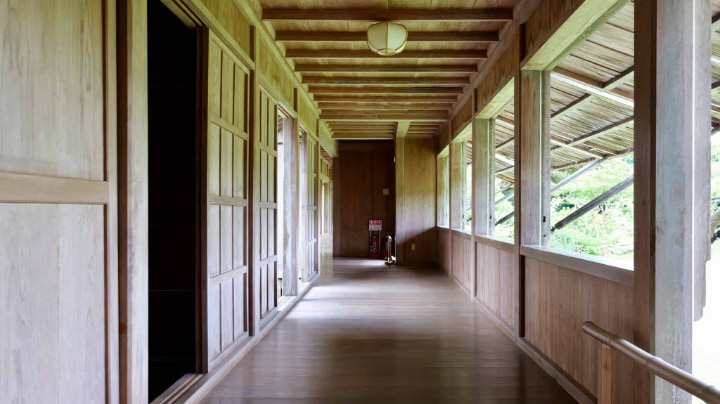
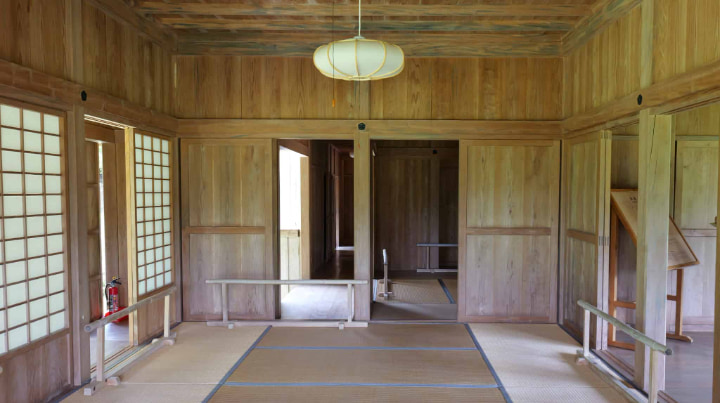
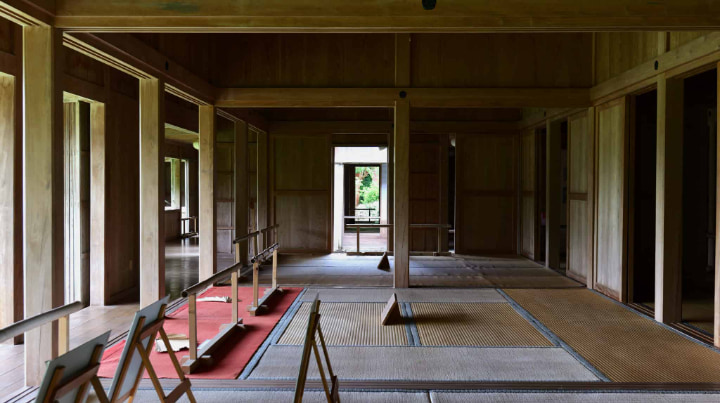
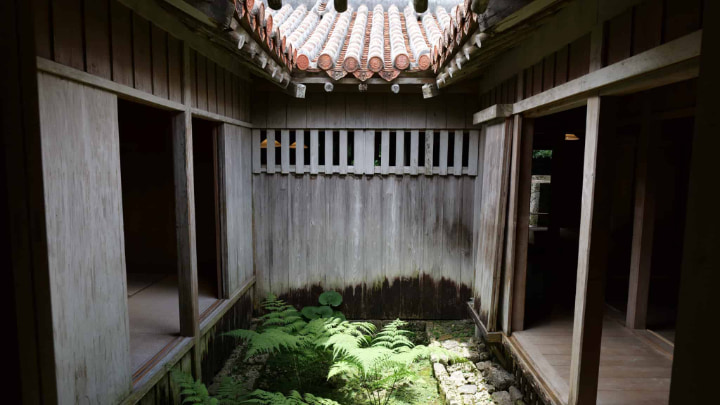
One aspect of this garden that sets it apart from others across Japan is its traditional Okinawan architecture. Here, visitors can see a traditionally built Okinawa-style house. Not only can it be viewed from the outside, but visitors are also free to walk around inside it. Traditional houses in Okinawa Prefecture are built (slightly) differently from traditional houses found in other parts of the country. One of the first aspects people may notice is the red-tiled roofs. These tiles have traditionally been used not only because they’re beautiful, but also for practical reasons. They help block out much of the heat and are highly durable. Okinawa Prefecture experiences multiple typhoons each year, and these traditional homes were designed specifically for this type of climate. The eaves are built deeper than those of many modern homes, helping block excessive heat from the sun while also preventing rain from entering. The roofs themselves also help keep the houses cool. In addition to the roofs, parts of these homes—such as the windows, entrances, and ventilation openings—have been built wider than usual. This creates an open atmosphere that allows wind to pass through easily, helping cool the house naturally. These traditional homes were designed to help residents live comfortably. The house at Shikinaen Garden is 525 square meters in size. It’s spacious as it was built for the wealthy. Given its important historical value, being able to look inside such a home is a valuable experience.
Shikinaen Garden beautifully integrates both Japanese and Chinese cultural elements, while also reflecting the unique culture of the Ryūkyū Kingdom (modern-day Okinawa Prefecture). For example, the stone bridge and the 六角堂 (rokkakudō or hexagonal building) here are examples of Chinese-inspired design. In contrast, the chisenkaiyū style in which the garden is laid out is a style commonly found in traditional Japanese gardens. The traditionally built Okinawan-style house here is also symbolic of Okinawan culture as a whole. There are many different types of gardens throughout Japan, but a garden that integrates three distinct cultural influences in this way is unique. It wouldn’t be an exaggeration to describe Shikinaen Garden as a garden with multicultural elements that come together (harmoniously) as one.
As mentioned, Okinawa Prefecture has its own unique culture shaped by the influences of both Japan and China. At Shikinaen Garden, visitors can enjoy scenery that’s difficult to find elsewhere in the country. The blending of multiple cultures creates an atmosphere unlike any other. When visiting Okinawa Prefecture, be sure to stop by Shikinaen Garden. It's, without a doubt, a rare type of garden that’s worth taking the time to explore.