Chūgoku Region
The Chūgoku region of Japan is located on 本州 (honshū), the country’s largest island. It’s made up of Tottori Prefecture, Shimane Prefecture, Okayama Prefecture, Hiroshima Prefecture, and Yamaguchi Prefecture. These prefectures are rich in natural beauty, and some are also home to bustling cities. Along with delicious local food, there’s also some great local alcohol here. In particular, this region has fantastic rice wine. Also home to some historical Buddhist temples and Shintō shrines, this is a charming region.
The prefecture many people (likely) associate most with the Chūgoku region is Hiroshima Prefecture. In recent years, it has become increasingly popular among foreign tourists, particularly those from Europe and North America. The number of visitors is increasing. Hiroshima Prefecture is known worldwide as one of the places in Japan that was hit by an atomic bomb during WWII. At the Hiroshima Peace Memorial Museum—which opened its doors in 1955—one can learn in detail about the atomic bombing and the damage it caused to the city during the war. Many tourists visit Hiroshima Prefecture specifically to see this museum.
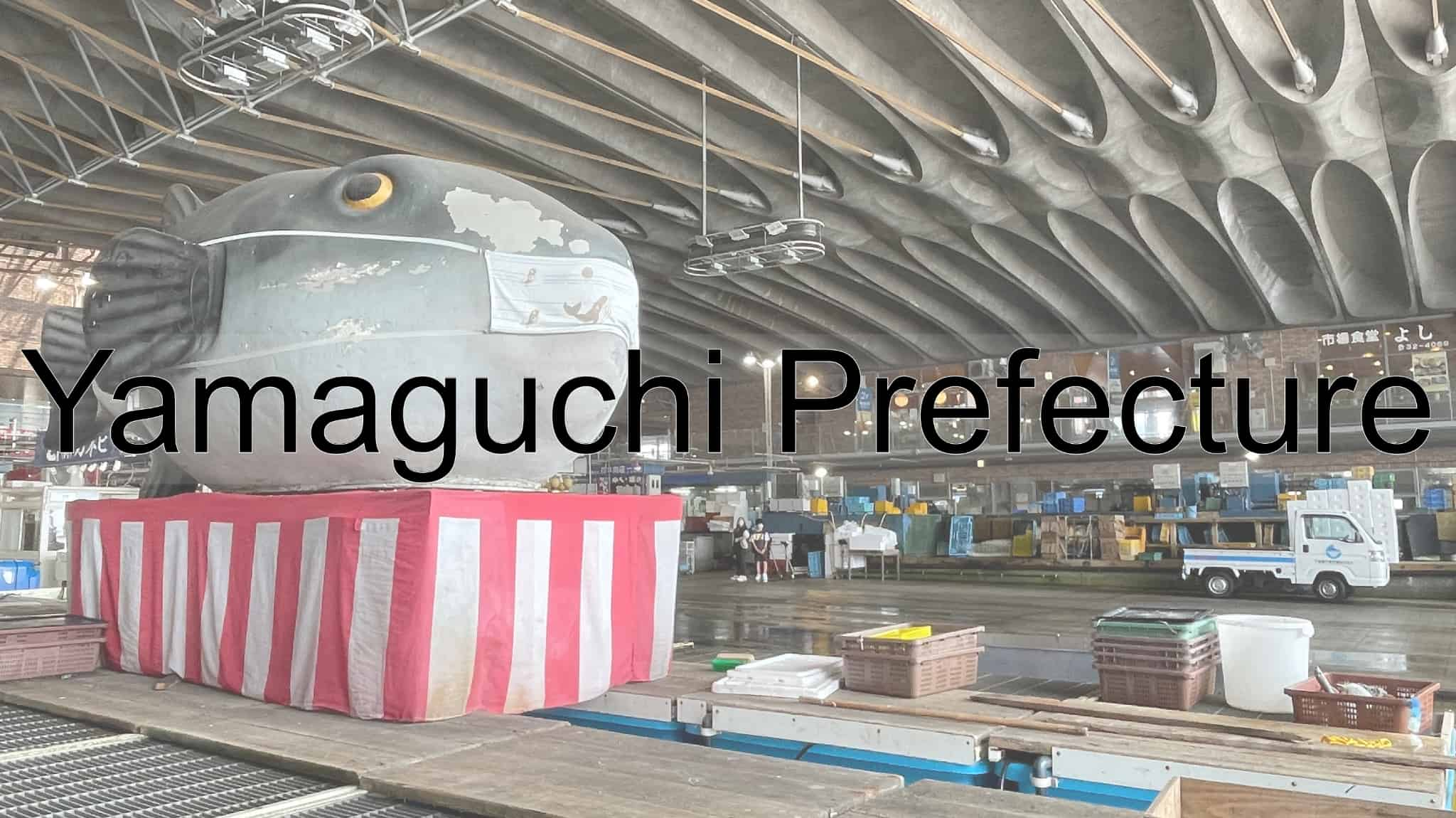
Like Hiroshima Prefecture, some prefectures in this region are known worldwide. Comparatively, others are relatively unknown and attract fewer tourists. One such prefecture is Yamaguchi Prefecture. Along with natural beauty, this prefecture is the birthplace of many well-known figures in Japanese history. One such figure is Itō Hirobumi, Japan’s first Prime Minister. Another is Yoshida Shōin, who inspired and educated many influential young men at the Shōka Sonjuku private academy. Modern-day Yamaguchi Prefecture is known for blowfish. Particularly in the city of Shimonoseki, the prefecture is renowned for catching some of the largest amounts in Japan. As such, many restaurants throughout the region specialize in this delicacy. One can enjoy it raw, deep-fried, or in a hot pot. Yamaguchi Prefecture is also renowned for its rice wine. Some of the most delicious rice wines can be found here. Those who enjoy alcohol will love this prefecture.
Among Buddhist temples and Shintō shrines, the most well-known in the Chūgoku region is (undoubtedly) Izumo Taisha. It’s unclear exactly when this shrine was first built, but it’s believed that the shrine standing today isn’t the original structure. Dedicated to the deity 大国主大神 (ōkuninushi-no-ōkami), this is a shrine shrouded in mystery. Several large holes have been found near it. They theorise that massive pillars once stood there supporting a large structure and staircase. The uppermost level is believed to have been where the main hall stood. It’s unclear why Izumo Taisha was originally built so high above the ground. Whatever the case, the shrine has a long history; it’s mentioned in the 古事記 (kojiki), Japan’s oldest surviving historical book and mythological text. Izumo Taisha plays an important role in Japanese history.
Throughout Japan, one will find many highly praised Japanese gardens. One such garden can be found in Shimane Prefecture. In 1970, Zenkō Adachi founded the Adachi Museum of Art. Although the museum houses many works of art, its most notable attraction is undoubtedly its Japanese garden, which draws visitors from across the country (and the world). Since 2003, this garden has consistently been ranked as the best in Japan. One might say that it’s perfectly maintained, as it’s beautifully preserved. It’s difficult to look at this garden without being moved by its beauty. The grass is beautifully trimmed, and the various trees are meticulously pruned. As mentioned, there are many (often) impressive and unforgettable Japanese gardens in Japan. However, out of all of them, the garden at the Adachi Museum of Art is the one to see.
Aside from Hiroshima Prefecture, the Chūgoku region generally attracts fewer tourists than other regions of Japan. Depending on the area, one can sightsee at one's own pace. Many Buddhist Temples and Shintō Shrines are worth visiting here; there are also areas with a traditional Japanese landscape. As such, those interested in traditional Japanese culture and history will find plenty to enjoy in this region. The region also has strong historical connections to foreigners who made significant contributions to Japan, such as Lafcadio Hearn. When traveling around Japan, why not visit the Chūgoku region? Here, one can experience a slightly different (and unique) charm of the country.